
How to Care for a Spider Plant
One of the most forgiving houseplants you can own — spider plants tolerate low light, bounce back from missed waterings, and reward you with dangling plantlets you can propagate for free.
Spider Plant at a Glance
Everything you need to know, in four numbers.
Complete Spider Plant Care
Spider plants (Chlorophytum comosum) are among the most adaptable houseplants there are, tolerating everything from deep shade to dry spells. This guide is based on care research from university extension services, the ASPCA, and NASA — with sources linked at the end.
Light
Spider plants do best in medium to bright indirect light and tolerate low light well, but direct sun — especially midday sun — scorches the leaves and fades their variegation. NC State Extension notes they're intolerant of direct sunlight, so a few feet back from an east- or north-facing window is ideal.
Watering
Water when the top inch of soil is dry, roughly once a week. Spider plants tolerate a short dry spell far better than soggy soil, so when in doubt, wait. Use filtered, distilled, or rainwater instead of tap water — chlorine and fluoride are the leading cause of the brown leaf tips this plant is famous for.
Humidity
Spider plants prefer average to slightly above-average humidity. Low humidity contributes to brown tips, but this plant adapts to normal home conditions without a humidifier. If your air gets very dry in winter, a pebble tray or occasional misting helps.
Fertilizing
Feed monthly with a balanced water-soluble houseplant fertilizer during spring and summer growth, diluted to half strength. Skip fertilizer in fall and winter. Clemson Extension and NC State both flag over-fertilizing as a cause of worse brown tips and, notably, fewer plantlets — the "babies" spider plants are grown for.
Soil & Potting
Use a general-purpose potting mix with good drainage. Spider plants aren't fussy about soil pH — NC State Extension lists a tolerance range of 6.0–8.0 — but they do like being slightly root bound, which encourages more plantlets. Repot only every 1–2 years, or when roots circle the pot.
Temperature
Spider plants are comfortable at typical indoor temperatures, around 65–75°F (18–24°C) by day per Clemson Extension, and tolerate cooler nights down to about 50°F (10°C). NC State Extension puts the hard floor at 45°F (7°C) — below that, growth slows and leaves can suffer damage.
Spider Plant Stress Signals
Spider plants are hardy, but they do complain in specific ways. Here's what each symptom means and how to fix it. For leaf spots or symptoms that do not match, use the plant disease identifier with a clear photo.
Brown, crispy leaf tips
Cause: The single most common spider plant complaint — usually chlorine or fluoride in tap water, low humidity, or fertilizer salt buildup in the soil, per Clemson Cooperative Extension.
Fix: Switch to filtered, distilled, or rainwater. Cut back on fertilizer, and flush the soil with plain water every few months to clear mineral buildup. Existing brown tips won't turn green again, but new growth will look clean.
Pale, washed-out or scorched leaves
Cause: Too much direct sunlight, especially midday sun, bleaches out the variegation and can leave dry, papery patches on the leaves.
Fix: Move the plant to bright indirect light a few feet from a window. Damaged leaves won't recover their color, but new growth will show correct variegation once light levels are fixed.
Mushy leaves or stalled growth
Cause: Overwatering and poor drainage — the leading cause of root rot in spider plants indoors.
Fix: Let the soil dry out more between waterings, empty saucers after watering so roots never sit in standing water, and repot into a container with drainage holes if the current one lacks them.
Track your spider plant in Olmi.
Set a watering reminder, log care history, and get alerts before your spider plant dries out too long. Olmi keeps your schedule consistent — without the guesswork.
Download Olmi Free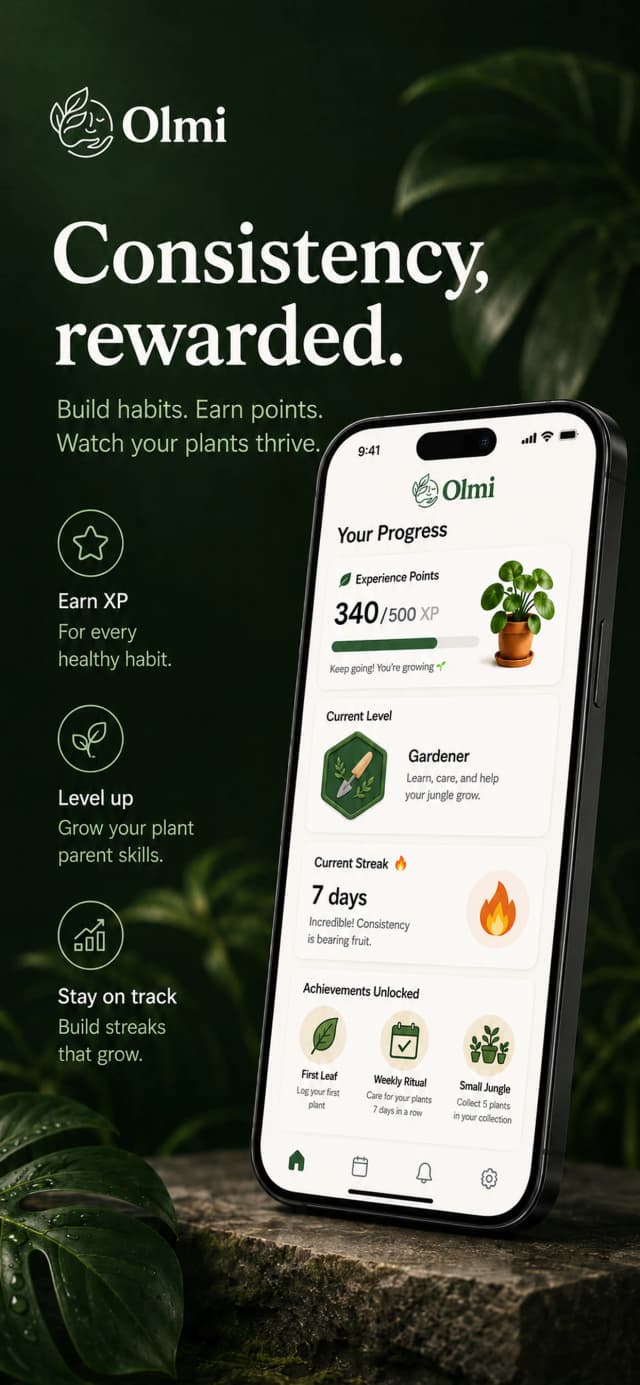
Spider Plant Care FAQ
How often should I water a spider plant?
Water your spider plant about once a week, letting the top inch of soil dry out between waterings. It tolerates a missed watering far better than soggy soil, so when unsure, wait a few extra days. Use filtered, distilled, or rainwater if you can — tap water's chlorine and fluoride are a leading cause of the brown leaf tips spider plants are known for, according to Clemson Cooperative Extension.
Can spider plants survive in low light?
Yes. NC State Extension notes that spider plants tolerate medium light and even deep shade, though they're intolerant of direct sunlight. For the fastest growth and the clearest white-and-green variegation, keep them in bright indirect light a few feet back from a window rather than deep shade.
Why does my spider plant have brown leaf tips?
Brown, crispy tips are the single most common spider plant complaint. Clemson Cooperative Extension lists the causes as chlorine and fluoride in tap water, low humidity, and a buildup of fertilizer salts in the soil. Switch to filtered or distilled water, ease up on fertilizer, and flush the soil with plain water every few months to clear mineral buildup.
Are spider plants toxic to cats and dogs?
No. The ASPCA lists spider plants (Chlorophytum comosum) as non-toxic to cats, dogs, and horses. That said, the plant contains compounds that can cause mild stomach upset or vomiting if a pet eats a large amount — cats in particular are drawn to chewing the leaves, so keep an eye on curious pets even though the plant itself is considered safe.
Do spider plants actually purify the air?
Spider plants were one of the standout performers in NASA's 1989 Clean Air Study, removing airborne toxins from sealed test chambers within 24 hours. However, a 2019 review by Drexel University researchers (published in the Journal of Exposure Science & Environmental Epidemiology) found that a home would need 10 to 1,000 plants per square meter of floor space to match what a building's normal air exchange already does. Treat the air-purifying reputation as a nice bonus, not a substitute for ventilation.
How do I propagate a spider plant?
Mature spider plants send out long stems tipped with plantlets ("babies"), usually triggered by the shorter days of fall, per NC State Extension. Once a plantlet has small root nubs, snip it off and set it in water or directly into moist potting soil — roots develop within a couple of weeks. You can also divide a mature plant at the roots when repotting.
Why is my spider plant not producing babies?
Plantlet production is tied to day length and fertilizer levels. NC State Extension research shows stolons and plantlets form when the plant gets less than 12 hours of light a day for at least three weeks, mimicking natural fall conditions — and that over-fertilizing reduces plantlet formation. If your plant sits under long daylight hours year-round or gets fed too often, it may simply be skipping that trigger.
When should I repot my spider plant?
Repot every 1–2 years, or sooner if roots are circling the pot or growing out of the drainage holes. Spider plants tolerate being slightly root bound and often produce more plantlets that way, so there's no rush — size up only one pot size (1–2 inches wider) each time, using a well-draining, neutral-pH potting mix.
Sources
The care information on this page is based on the following university extension services and research bodies, not opinion:
- NC State Extension Gardener Plant Toolbox — Chlorophytum comosum
- Clemson Cooperative Extension, Home & Garden Information Center — Spider Plant factsheet
- ASPCA Animal Poison Control — Spider Plant (Chlorophytum comosum)
- NASA Technical Reports Server — Interior Landscape Plants for Indoor Air Pollution Abatement (B.C. Wolverton, 1989)
- Journal of Exposure Science & Environmental Epidemiology — Potted plants do not improve indoor air quality: a review and analysis of reported VOC removal efficiencies (Cummings & Waring, Drexel University, 2019)